Most mHealth apps don't fail because of bad code. They fail because nobody mapped out who's actually using the app before development started: a patient checking symptoms at 11pm, a nurse updating a chart between rounds, a physician reviewing lab results from a hallway. Each of those users needs a completely different experience from the same platform.
If you're planning mHealth app development, the technical build is the easy part. Getting the use case right first is what actually determines whether anyone opens the app twice.
Key Takeaways
- mHealth apps fall into distinct categories, remote monitoring, telemedicine, clinical/diagnostic, and patient engagement, and each needs a different feature set and data architecture.
- The biggest technical challenge in mHealth app development usually isn't the UI. It's integrating cleanly with EHR systems that weren't built to talk to mobile apps.
- Wearable and device integration adds real engineering complexity: sync intervals, battery constraints, and data accuracy all affect clinical usefulness.
- Compliance has to be designed in from day one, not layered on after the build, since HIPAA-relevant data flows touch nearly every feature.
- The apps that get used long-term solve one specific workflow well, rather than trying to serve patients and providers with the same interface.
The mHealth App Categories That Actually Exist
mHealth apps aren't one product type with different skins. Mobile health app development spans a wide range of very different builds, and a remote monitoring app that streams vitals to a care team needs a fundamentally different architecture than a medication reminder app for a patient's phone.
Four categories cover most of what gets built: remote monitoring apps that stream data from wearables to clinicians, telemedicine apps that handle video visits, scheduling, and e-prescriptions, clinical and diagnostic apps that give providers access to lab results and imaging on the go, and patient engagement apps focused on adherence, wellness tracking, or appointment management.
Figuring out which category your app actually belongs to, before you touch a wireframe, determines almost every technical decision that follows.
Who You're Actually Building For
The same mHealth platform often serves two audiences who need almost nothing in common from the interface. A patient wants simplicity: check a result, book a slot, get a reminder. A physician wants density: multiple data points on one screen, fast triage, no unnecessary taps.
Trying to serve both with one interface is how healthcare apps end up serving neither well. Most successful platforms split into a patient-facing app and a provider-facing dashboard or portal, sharing a backend but built as genuinely separate products with separate design priorities.
The EHR Integration Problem Nobody Warns You About
Here's what catches most teams off guard: your mHealth app's hardest technical problem usually isn't the app itself. It's getting your app to talk to Electronic Health Record systems that were never designed for mobile access.
EHR platforms vary wildly in how open their APIs are, and older systems still in use across many healthcare providers weren't built with modern integration standards like FHIR in mind. This is usually where mobile health app developers spend more unplanned time than anywhere else in the build. Budget real engineering time for this as a workstream that starts alongside the initial architecture decisions, not as an afterthought once the core app is built.
Building for Wearables and Remote Monitoring
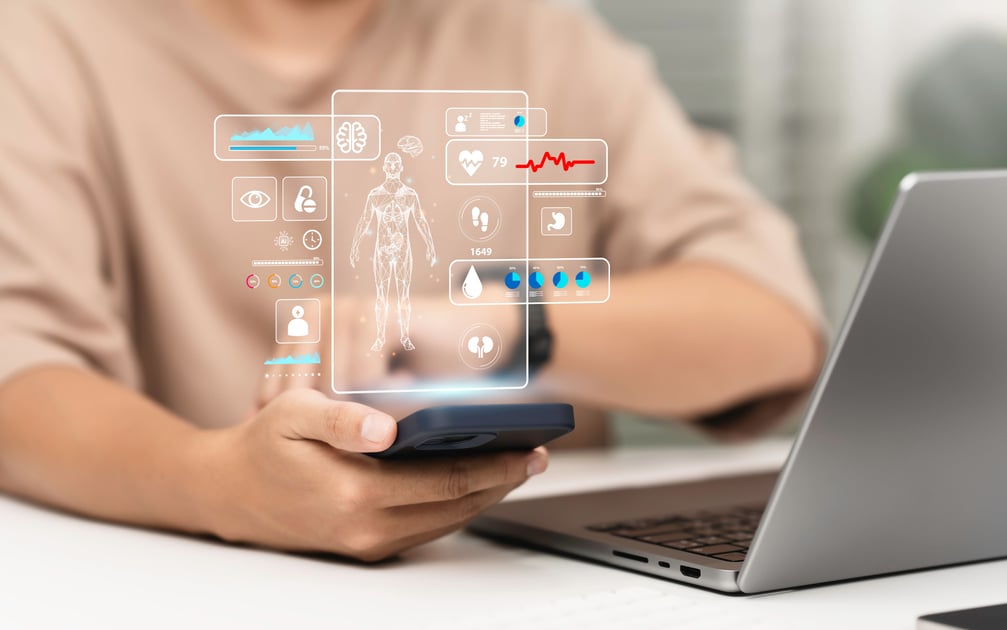
If your mHealth app pulls data from wearables or remote monitoring devices, you're managing constraints a typical consumer app never deals with: battery life, sync intervals, and data accuracy that actually matters clinically.
Demand for this isn't slowing down. 43% of consumers now use connected monitoring devices and digital health tools, up from 34% in 2022, according to Deloitte's 2025 US health care outlook, so the reliability of your sync and alerting logic isn't a minor detail. It's a growing share of how patients expect to interact with care.
A fitness app can tolerate a missed sync or an inaccurate step count. A remote patient monitoring app that misses a dangerous heart rate reading because of a sync gap is a different kind of problem entirely. Build your sync and alerting logic around the clinical stakes of the data, not around what's technically convenient.
Where Compliance Fits Into the Build
Nearly every feature in an mHealth app touches data that needs HIPAA compliant app development practices applied to it, from push notifications to how you store data locally on the device. This isn't a separate workstream you bolt on before launch.
Design your data flows, encryption, and access controls into the architecture from the planning stage, not the testing stage. Trying to retrofit compliance into a finished app is far more expensive than building it in from day one.
The Development Process, Stage by Stage
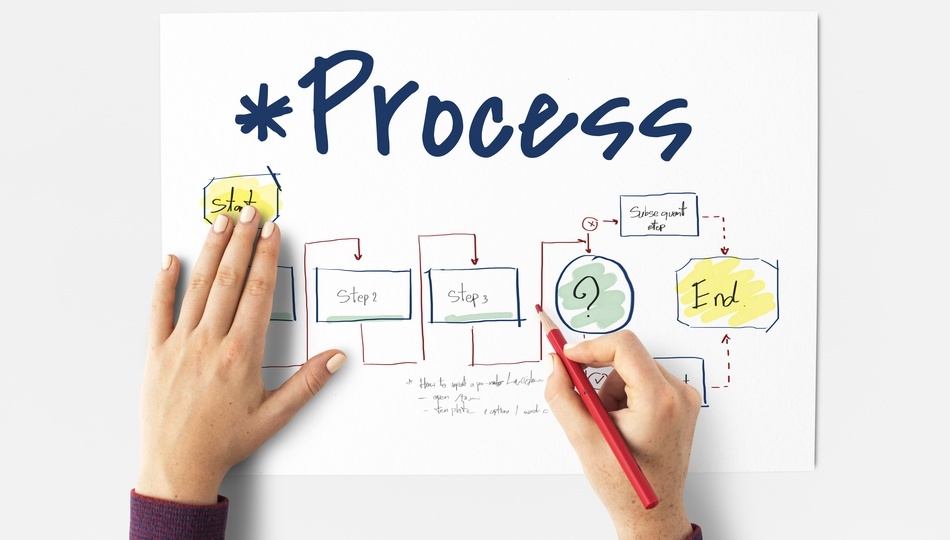
The build itself follows a familiar sequence, but the details differ from a standard consumer app at nearly every stage. Planning has to map out every data transmission point and every EHR integration you'll need. Design has to account for two genuinely different user types if you're serving both patients and providers. Development needs closer attention to encryption, access control, and API reliability than a typical mobile build. Testing needs to cover failure modes, not just features: what happens when a sync fails, when a notification leaks data, when the EHR connection drops mid-session.
None of this makes mHealth app development slower by definition. It makes it different, and treating it like a standard mobile build is where most timelines and budgets go wrong.
Let's Sum Up!
mHealth app development isn't harder than building any other mobile product. It's different, because the stakes on data, integration, and reliability are higher from the first sprint.
Classic Informatics builds mobile app development for healthcare clients who need both the patient-facing simplicity and the provider-facing depth done right, alongside custom healthcare software development for the EHR integration and compliance work most teams underestimate. Classic Informatics has already solved most of the integration and compliance problems teams typically hit for the first time mid-build. If you're mapping out your first mHealth build, Classic Informatics is a good place to start that conversation.

FAQS

Frequently Asked Questions
It's the process of building mobile applications that support healthcare delivery, covering categories like remote patient monitoring, telemedicine, clinical/diagnostic tools, and patient engagement apps. Unlike standard mobile apps, it has to account for regulatory compliance, EHR integration, and clinical data accuracy from the start.